What Is a Stroopwafel and How Is It Traditionally Enjoyed?
If you have ever walked past a Dutch market stall or browsed the international aisle of a grocery store, you have likely spotted a thin, round waffle cookie that looks almost like a tiny pancake. That is a stroopwafel, a classic Dutch treat that has found fans far beyond the Netherlands. At its simplest, a stroopwafel is two thin, crisp waffle discs pressed together with a layer of warm caramel syrup in between. The result is a sweet, chewy cookie that manages to be both delicate and satisfying.
The name itself tells you what it is. "Stroop" is Dutch for syrup, and "wafel" means waffle. So a stroopwafel is literally a syrup waffle. The syrup filling is usually made from brown sugar, butter, and cinnamon or other spices, cooked down into a thick caramel that holds the two waffle halves together. The waffle discs themselves are baked on a special press that gives them a characteristic grid pattern and a texture that is slightly crisp on the outside but softens as the cookie sits, especially when warmed.
A Brief History of the Stroopwafel
The stroopwafel originated in the city of Gouda in the late 18th or early 19th century. According to local lore, a baker used leftover scraps of dough and sweetened them with syrup to create a new kind of cookie. The recipe spread quickly, and by the 20th century stroopwafels were being sold at markets and fairs across the Netherlands. Today they are a staple of Dutch cuisine and a popular souvenir for visitors.
What makes a stroopwafel distinctive is not just its flavor but its texture. The waffle halves are thin and crisp when fresh, but they soften when the caramel syrup warms up. This interplay between the crisp outer wafer and the gooey, chewy center is part of what makes the cookie so enjoyable. The caramel syrup is not just a sweet addition; it also acts as a glue that bonds the two halves together, so the cookie holds its shape until you bite into it.
How a Stroopwafel Is Made
Traditional stroopwafels start with a dough made from flour, butter, sugar, eggs, yeast, and a touch of cinnamon or vanilla. The dough is rolled into small balls, then pressed in a hot waffle iron that flattens them into thin, round discs. The discs come out of the iron warm and pliable. While they are still hot, the baker slices each disc horizontally with a sharp knife, creating two thin wafer rounds. A generous smear of warm caramel syrup is spread onto one half, and the other half is placed on top. The heat from the waffle disc melts the syrup slightly, so the two halves fuse together as the cookie cools.
This process requires speed and skill, because the waffle discs harden quickly as they cool. In a commercial setting, the syrup is often applied by machine, but the basic principle remains the same: a warm, crisp waffle sandwich filled with caramel. The finished stroopwafel is then left to set, and the syrup thickens into a chewy, sticky layer that holds the cookie together.
How Stroopwafels Are Traditionally Enjoyed
The most famous way to eat a stroopwafel is on top of a hot drink. In the Netherlands, people place a stroopwafel over the rim of a mug of coffee or tea, letting the steam from the drink warm the cookie. After a minute or two, the caramel syrup inside softens, and the waffle discs become pliable. The heat releases the aromas of the cinnamon and caramel, and the cookie becomes a warm, gooey treat that you can dip into the drink or eat separately. This practice is so common that many Dutch households keep a stash of stroopwafels specifically for this purpose.
You can also enjoy a stroopwafel at room temperature, straight out of the package. The waffle discs will be crisper, and the caramel will be firmer, giving a different but still pleasant texture. Some people like to break the cookie into pieces and stir them into hot chocolate or milk, letting the syrup dissolve and flavor the drink. Others simply eat it as a snack, savoring the contrast between the crisp wafer and the chewy caramel.
One reason stroopwafels work so well with hot drinks is that the caramel syrup is not overly sweet. It has a deep, buttery richness that complements the bitterness of coffee or the tannins of black tea. The cinnamon and spice notes add warmth without overwhelming the palate. This balance is what makes the stroopwafel a versatile cookie that can be enjoyed at any time of day.
Modern Variations and Low-Sugar Options
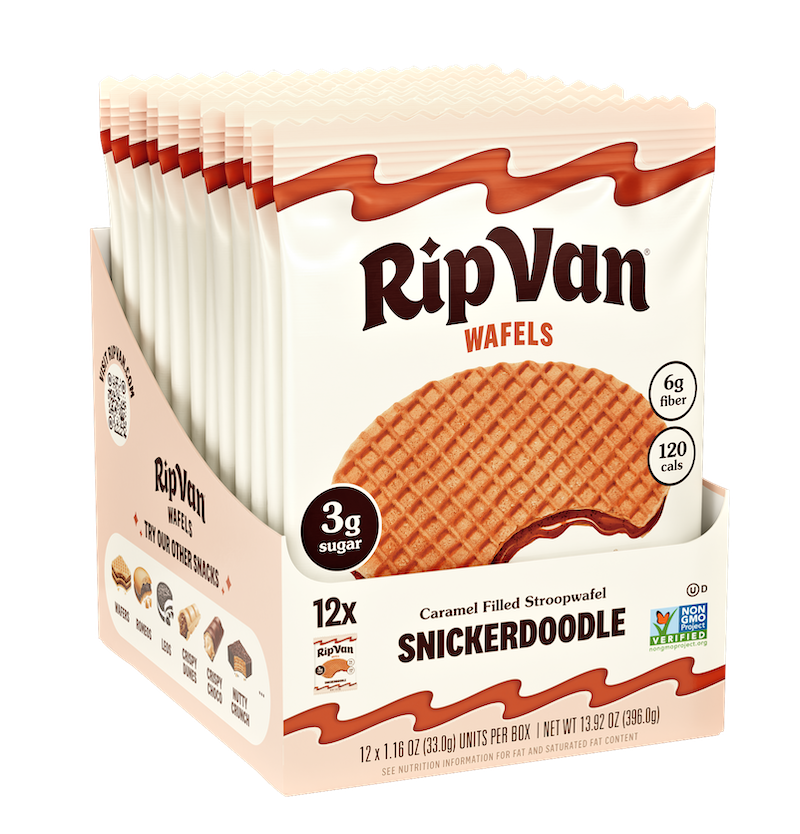
Traditional stroopwafels are made with sugar and butter, so they are undeniably a treat. But in recent years, food companies have developed versions that reduce the sugar content while keeping the same texture and flavor profile. Some brands use alternative sweeteners or add fiber to the dough to make the cookie more filling. The result is a stroopwafel that still delivers the experience of eating a caramel filled wafer but with fewer carbohydrates and a lower glycemic impact.
For people watching their sugar intake, these lower-sugar stroopwafels can be a way to enjoy the cookie without the same blood sugar spike. The caramel syrup is still present, but it is made with a different sweetener or with a reduced amount of sugar. The waffle texture remains similar, though it may be slightly less crisp depending on the recipe. Some versions also incorporate added fiber, which can help with digestion and provide a feeling of fullness.
These modern adaptations are part of a broader trend in Dutch cuisine and beyond. As consumers become more health-conscious, traditional treats are being reimagined with better nutritional profiles. The stroopwafel, with its simple ingredients and straightforward preparation, lends itself well to these modifications. The core appeal remains the same: a warm, sweet, chewy cookie that pairs perfectly with a hot beverage.
What Makes a Good Stroopwafel
Texture is the most important quality in a stroopwafel. The waffle discs should be thin enough to bend slightly without breaking, but crisp enough to give a satisfying snap when you bite into them. The caramel syrup should be thick and chewy, not runny or overly sticky. When you warm the cookie, the syrup should soften evenly without leaking out of the edges. The flavor should be balanced: sweet but not cloying, with a hint of cinnamon or other spice that complements the caramel.
Stroopwafels come in different sizes and thicknesses. The classic size is about the diameter of a small saucer, but mini versions are also common. The thickness of the waffle discs can vary as well. Thicker discs tend to be chewier, while thinner ones are more delicate. Some people prefer a very thin waffle that almost shatters when bitten, while others like a sturdier cookie that holds up to dipping. There is no right or wrong choice; it is a matter of personal preference.
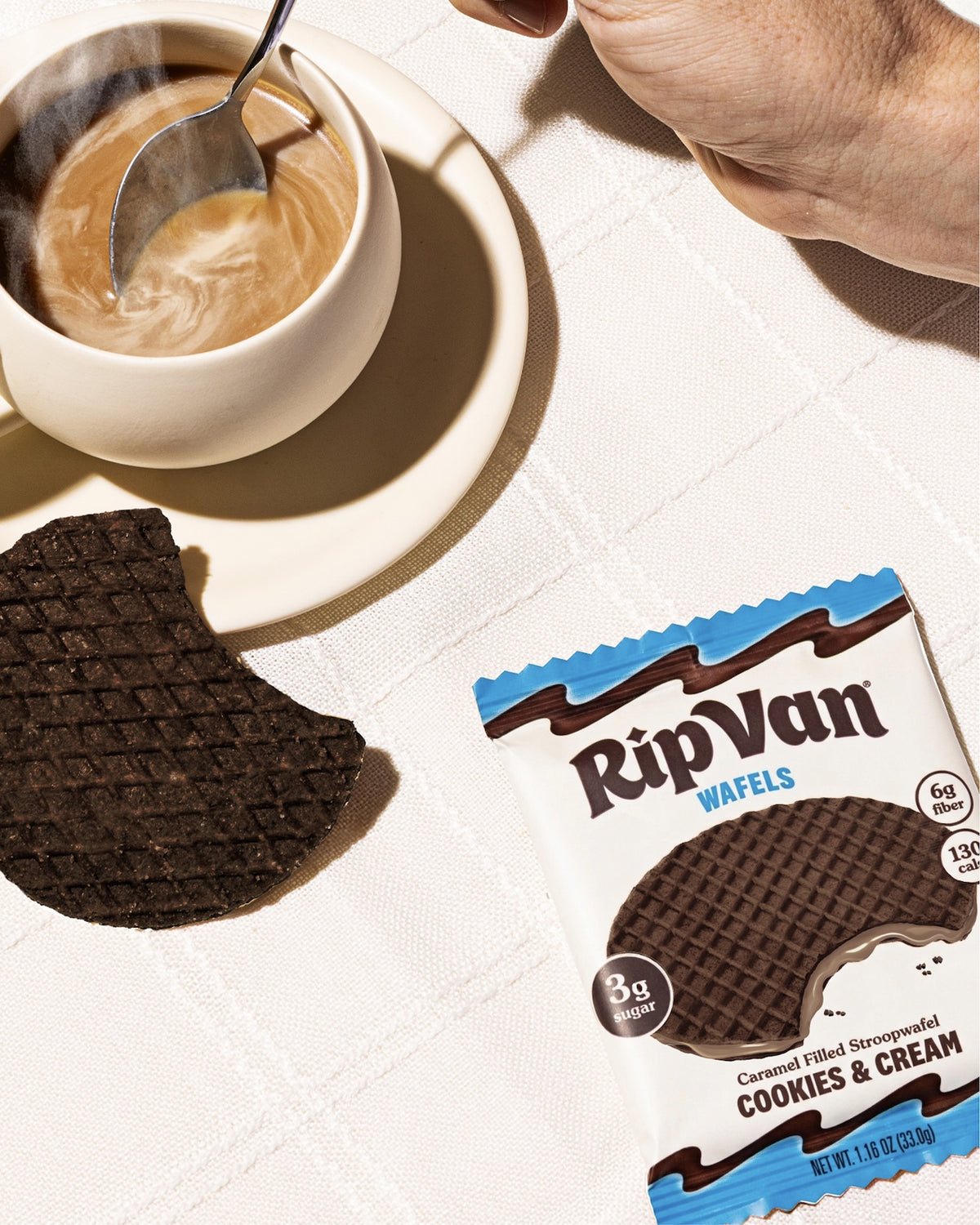
If you are trying a stroopwafel for the first time, it helps to warm it slightly before eating. You can place it on a radiator, over a toaster, or simply hold it in your hands for a minute. The heat softens the caramel and makes the cookie more pliable, which many people find more enjoyable. This is especially true if you are eating it with a hot drink, because the steam from the drink does the warming for you.
Stroopwafels as a Cultural Tradition
In the Netherlands, stroopwafels are more than just a snack. They are a part of daily life, sold at bakeries, supermarkets, and even at train station kiosks. Dutch children grow up eating them as an after-school treat, and adults enjoy them with their afternoon coffee. The cookie is also a common gift for visitors, and many Dutch families bring boxes of stroopwafels when they travel abroad.
One of the charms of the stroopwafel is its simplicity. It does not require elaborate preparation or fancy equipment. You can eat it straight from the package, or you can take a moment to warm it and let the caramel soften. That small ritual of placing the cookie over a hot cup of coffee or tea is part of what makes the experience special. It is a moment of pause in a busy day, a chance to enjoy something warm and sweet.
The stroopwafel has also become a symbol of Dutch hospitality. When guests visit a Dutch home, they are often offered a cup of coffee and a stroopwafel. The cookie is a way of saying "make yourself at home." It is unpretentious, easy to share, and universally liked. In a world of elaborate desserts and complicated recipes, the stroopwafel stands out as a humble, honest treat that has been enjoyed for centuries.
How to Choose a Stroopwafel
When shopping for stroopwafels, look for ones that are fresh. The waffle discs should snap cleanly when broken, and the caramel should be soft and pliable, not hard or crystallized. Check the ingredient list to see what sweetener is used, especially if you are looking for a lower-sugar option. Traditional stroopwafels contain sugar, butter, flour, eggs, yeast, and spices. Some modern versions add fiber or use sugar alcohols to reduce the carbohydrate content.
Packaging matters too. Stroopwafels are best kept in an airtight container to prevent them from drying out. If the package is opened, the cookies can become stale within a few days. Many brands sell them in resealable bags or in boxes with a sealed inner wrapper. If you buy them in bulk, consider transferring them to a jar or a zip-top bag to maintain freshness.
The texture of a stroopwafel can vary by brand. Some are made with a thinner waffle that is more delicate, while others use a thicker disc that is chewier. The caramel filling also differs: some are very sweet, while others have a more pronounced spice flavor. It is worth trying a few different brands to see which one you prefer. The variety is part of the fun.
The Versatility of Caramel Filled Wafels
While the stroopwafel is the most famous example, the idea of a caramel filled wafer is not limited to Dutch cuisine. Similar treats exist in other cultures, such as the Scandinavian krumkake or the Italian pizzelle, but the stroopwafel's combination of thin, crisp waffle discs and a thick, chewy caramel filling is unique. The texture is what sets it apart: the waffle is not soft like a pancake, nor hard like a biscuit. It is somewhere in between, with a slight give that makes it pleasant to bite into.
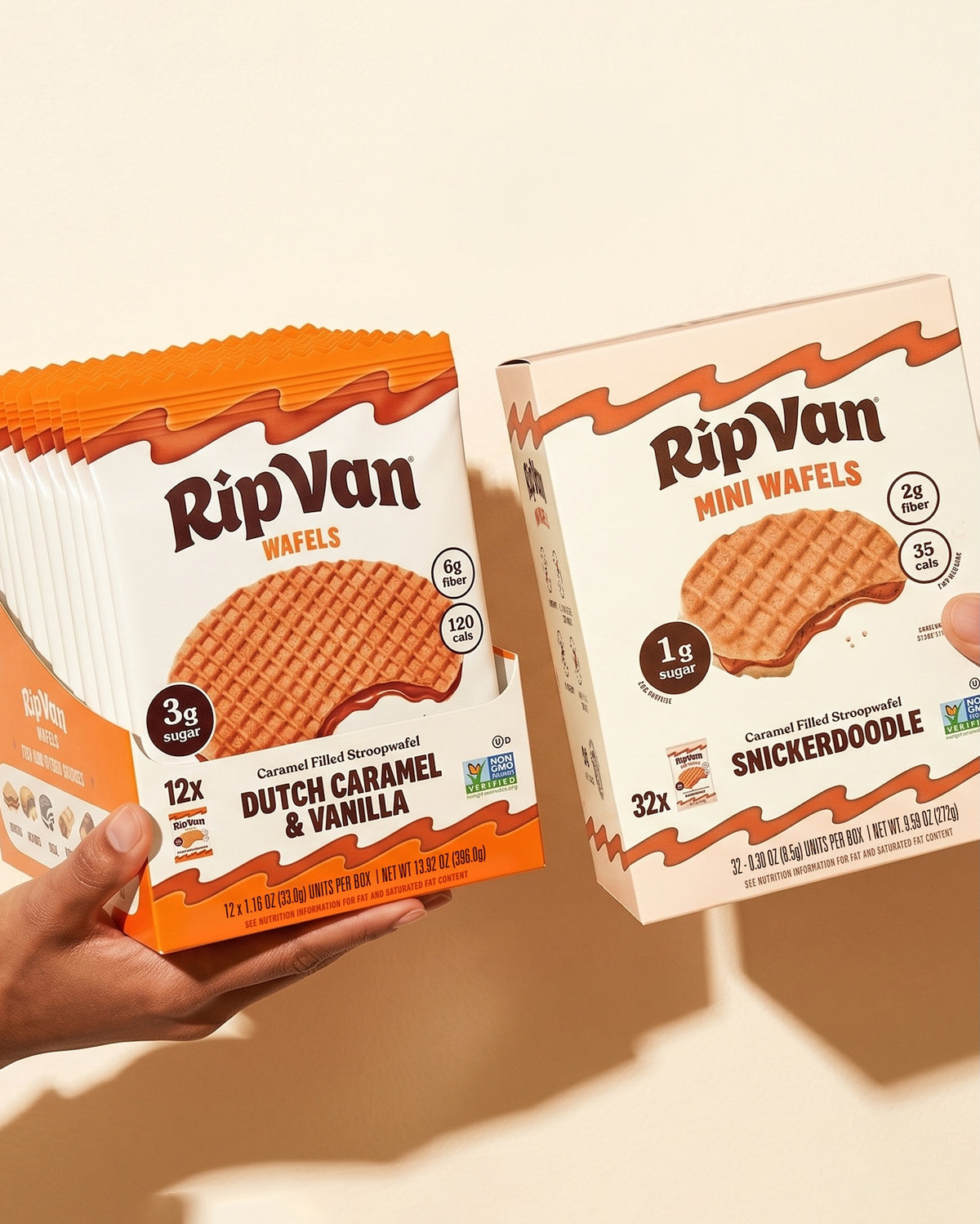
Many people describe stroopwafels as crispy waffles with caramel, and that description captures the essence of the cookie. The waffle discs are baked to a golden brown, with a crispness that gives way to the soft, sticky caramel inside. When you bite into a properly made stroopwafel, you get a crunch followed by a chewy, sweet center. That contrast is what keeps people coming back for more.
If you are looking for a snack that combines the satisfaction of a crunchy cookie with the richness of caramel, a stroopwafel is a natural choice. The caramel filling is not just a flavoring; it is the structural core of the cookie, holding the two waffle halves together and providing a chewy texture that complements the crisp exterior. This thoughtful design is why the stroopwafel has remained popular for over two hundred years.
Whether you enjoy it with coffee, tea, or simply on its own, a stroopwafel is a treat that rewards a moment of attention. Taking the time to warm it, to let the caramel soften, to breathe in the scent of cinnamon and caramel - that is the traditional way to appreciate it. And if you opt for a low-sugar version, you can still enjoy the same experience with fewer concerns about your health goals. The stroopwafel, in all its forms, remains a delightful example of how simple ingredients can create something truly special.